When most people think of clover, they picture a small, humble plant sprinkled through a lawn or pasture. But behind those tiny trifoliate leaves is an absolute powerhouse. Clover plays a major role in healthy soil, strong ecosystems and even low maintenance lawns. Whether you’re a homesteader, a gardener, a farmer, or someone who just wants a greener grass, understanding the importance of clover can completely change the way you see your land.
A lifeline for pollinators
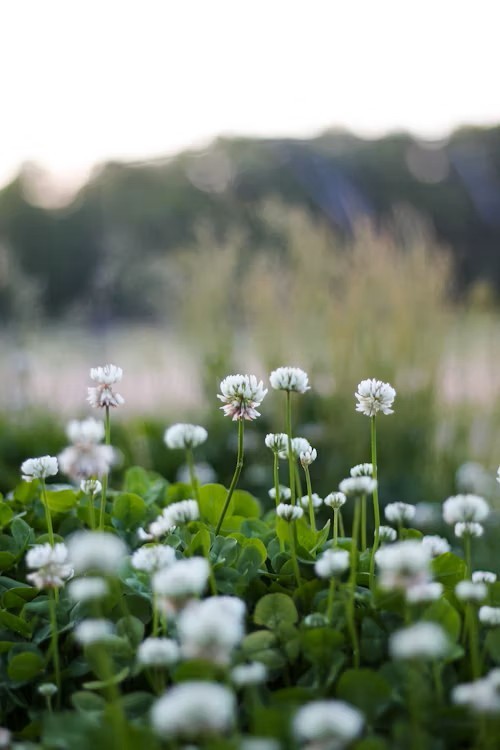
If you’ve ever watched bees buzzing over a patch of white clover, you already know how much they love it. Clover blooms provide nectar and pollen for honeybees, native bees, butterflies and beneficial insects. By simply allowing clover to grow, you’re helping support pollinator populations that are struggling worldwide. This in turn boosts pollination for gardens, orchards and nearby crops.
Clover naturally improves soil health
One of the biggest superpowers clover has, is its ability to fix nitrogen. As a legume, clover pulls nitrogen from the air and converts it into a form plants can use. This process enriches the soil naturally, reducing or even eliminating the need for synthetic fertilizers. Healthier soil means healthier plants. When clover grows alongside grasses or crops, everything becomes greener, stronger and more resilient.
Excellent ground cover and weed suppressant
Clover spreads low and thick, creating a natural carpet that protects the soil. It helps reduce erosion, retain moisture, out-competes weeds and improves soil structure. This makes it incredibly useful for slopes, disturbed soil or areas you’re trying to rehabilitate.
The secret to a low-maintenance green lawn
More people are discovering that clover isn’t a weed, rather a lawn’s best friend. Clover lawns or clover-grass mixes offer major advantages. To name a few: they stay green even during drought, they require less fertilizer, they stay soft and lush, they attract pollinators, they improve the soil beneath the lawn. It’s an eco-friendly, low effort alternative to the traditional high-maintenance turf lawn.
Good for the planet, not just your yard
Because clover reduces the need for nitrogen fertilizers, it helps cut down on harmful runoff and lowers environmental impact. It supports biodiversity above and below the soil and fits perfectly into regenerative and sustainable agriculture.
The takeaway: clover is far more than a small plant under your feet. It’s a quiet workhorse that supports soil health, pollinators, ecosystems and regenerative agriculture. Allowing clover to thrive is one of the simplest and most impact things you can do for your land.
Fun fact: only 1 in 5,000-10,000 clover plants grows a fourth leaf, which is why finding one really does feel lucky!
Wrote by WGC Employee Nicole Kemiecik